


Understanding the issue and its impacts on wildlife and the ocean
Derelict Fishing Gear
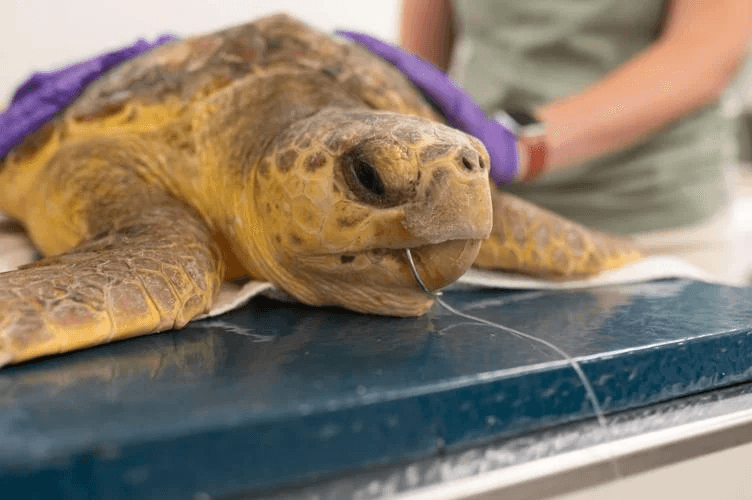
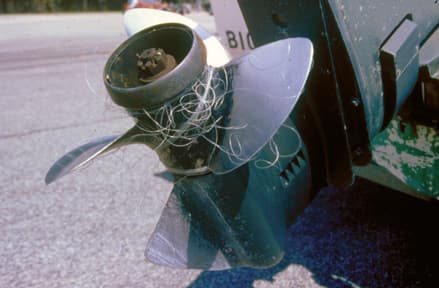
What Is Derelict Fishing Gear?
Fishing Gear is dangerous to wildlife when left in the environment.
This can include lines, lures, bait packaging, sinkers, hooks, and nets. Gear can be left behind for a variety of reasons, such as accidents, littering, having to leave quickly, or a lack of convenience for proper disposal.

Why Does Gear Become Derelict?
ACCIDENTS: Gear can be lost unintentionally.
LITTERING: Gear may be intentionally discarded.
LEAVING QUICKLY: People may not have time to retrieve or properly dispose of gear.
LACK OF CONVENIENCE: Proper disposal options may not always be readily available.
LACK OF CONVENIENCE: Proper disposal options may not always be readily available.
Fishing Gear Tips: Preventing Lost Gear
Before You Fish.
Secure Your Gear.
Manage Line and Small Trash.
Retrieve Snagged Gear.
Dispose of Waste Responsibly.
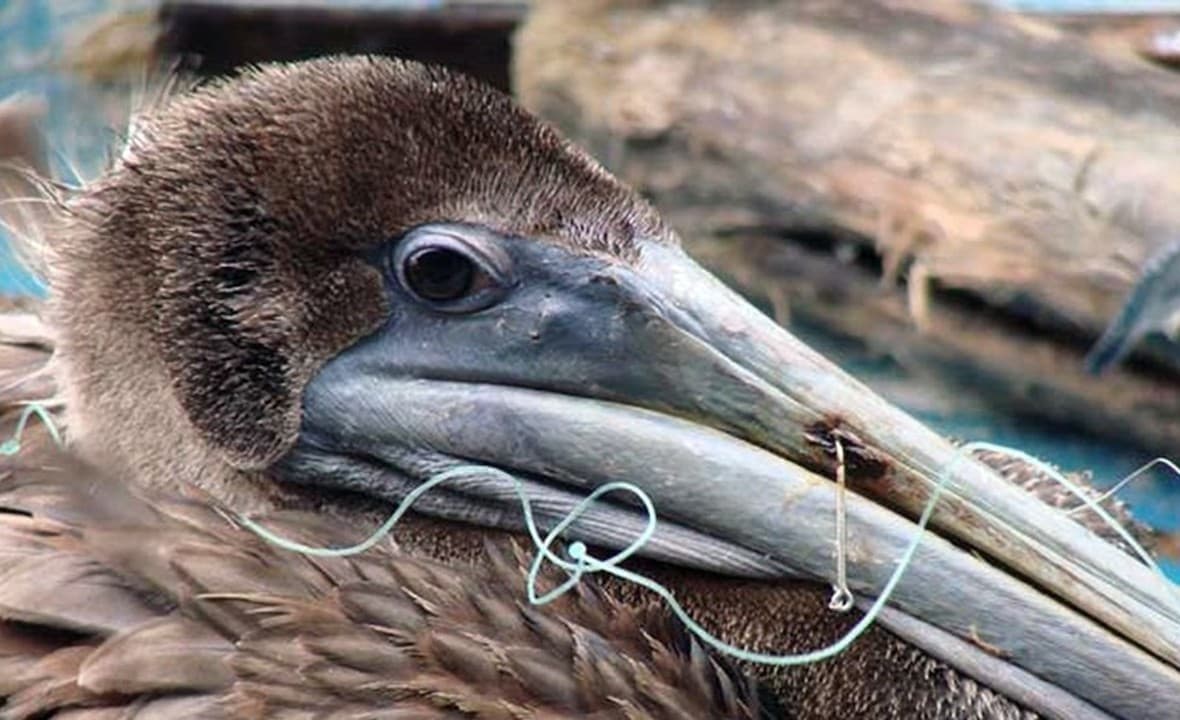
The Problem Doesn't End When Gear Is Lost.
IMPACTS ON WILDLIFE
- Ingestion: Birds, seals, turtles, and other animals may try to eat fishing gear, which can lead to injury, starvation, or death.
- Entanglement: Fishing line, hooks, and other small pieces of gear can entangle or trap wildlife.
IMPACTS ON THE OCEAN
- Marine Litter: Discarded fishing gear contributes to garbage patches, large areas of floating trash brought together by currents.
- Waterways and Ecosystems: By collecting derelict fishing gear before it enters waterways and ecosystems, we can help protect wildlife from harm.
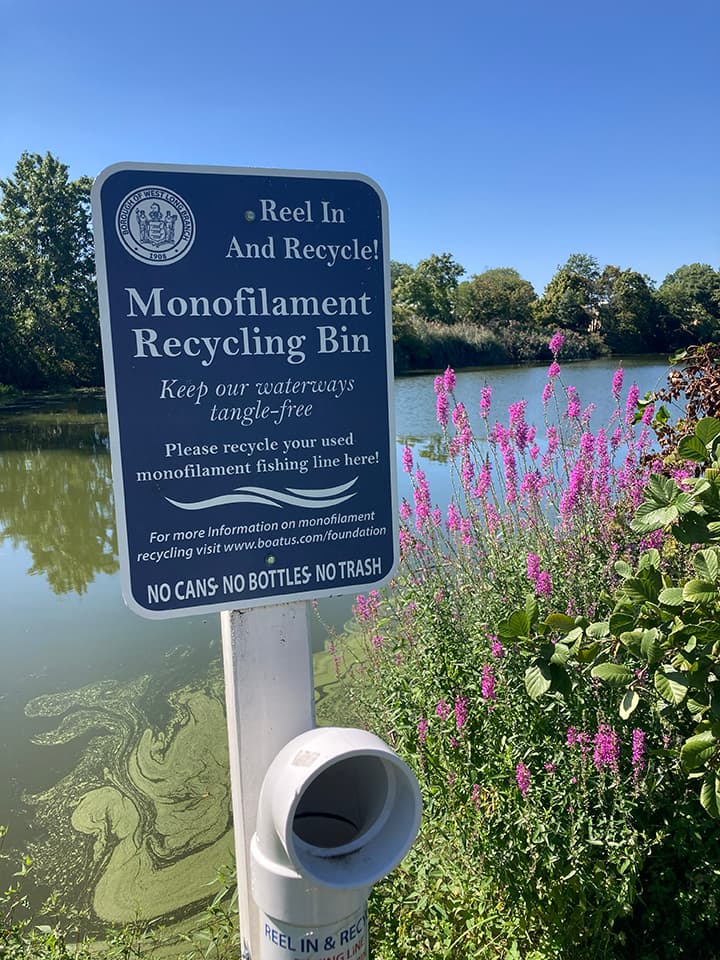
What Can You Do?
HELP KEEP FISHING GEAR OUT OF THE ENVIRONMENT
- Make Your Own Collection Bin: Create a fishing-line collection bin for your boat, marina, tackle shop, or community.
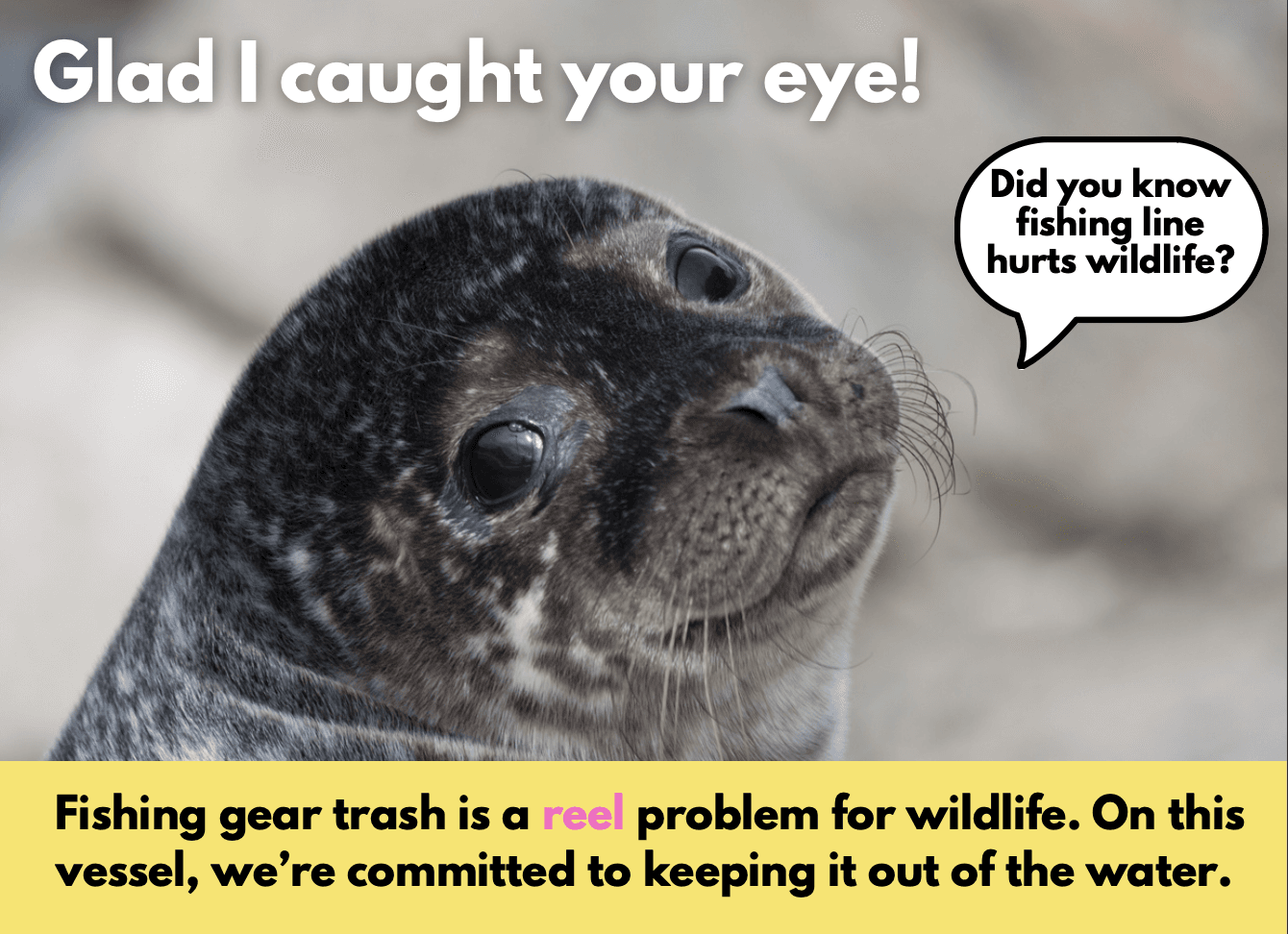
Download a Poster
Download a poster to help encourage proper fishing gear disposal.